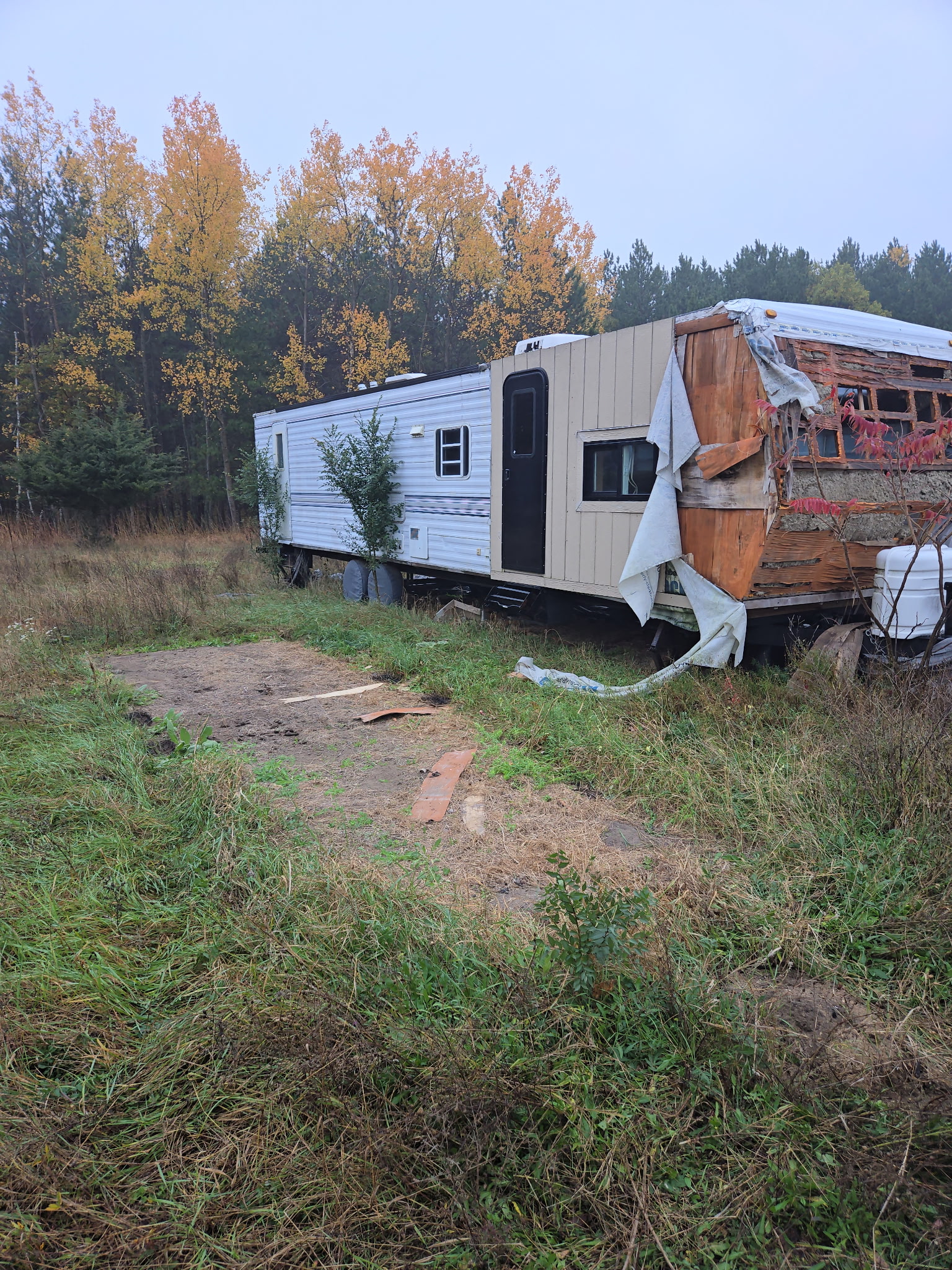
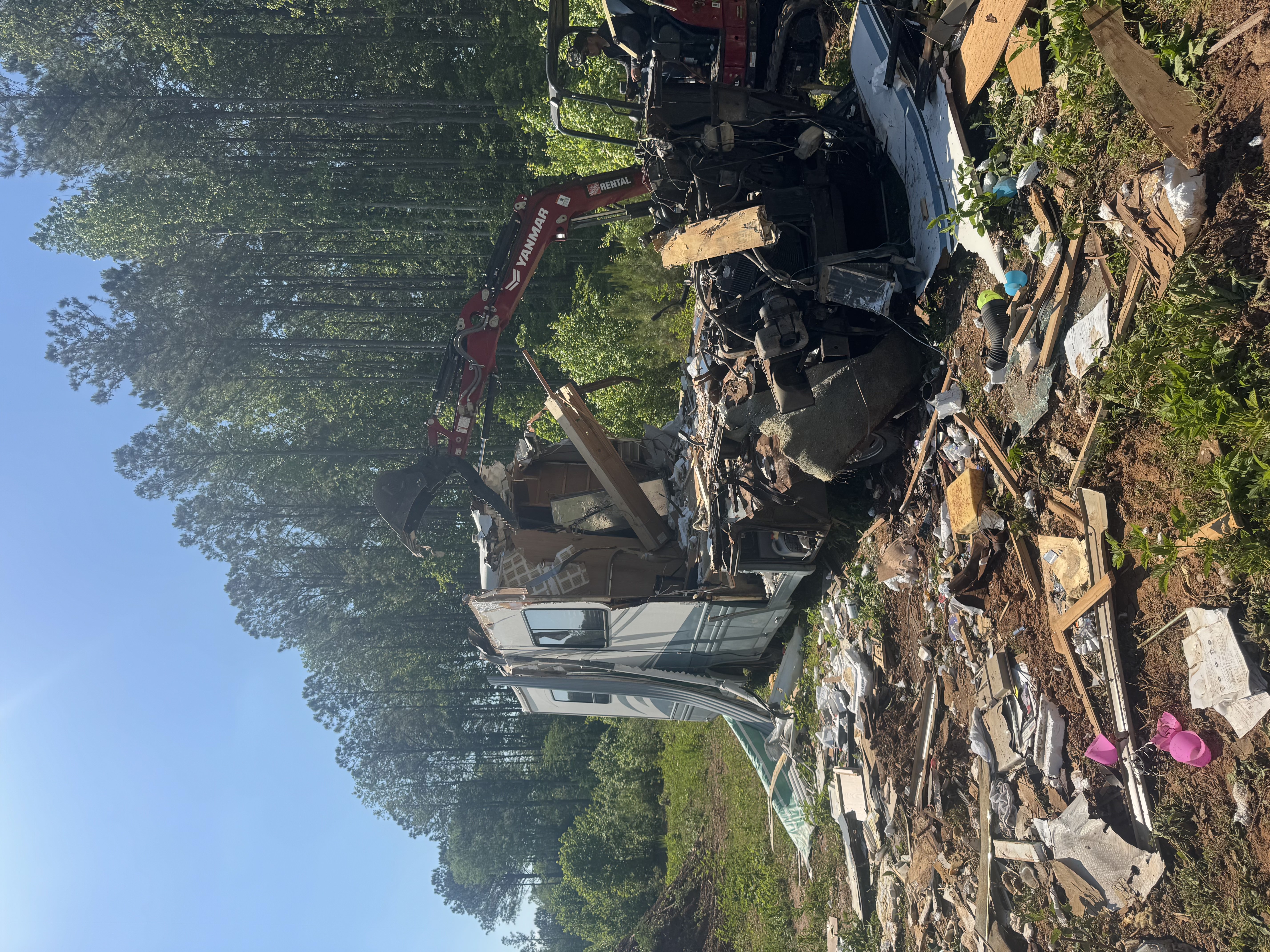
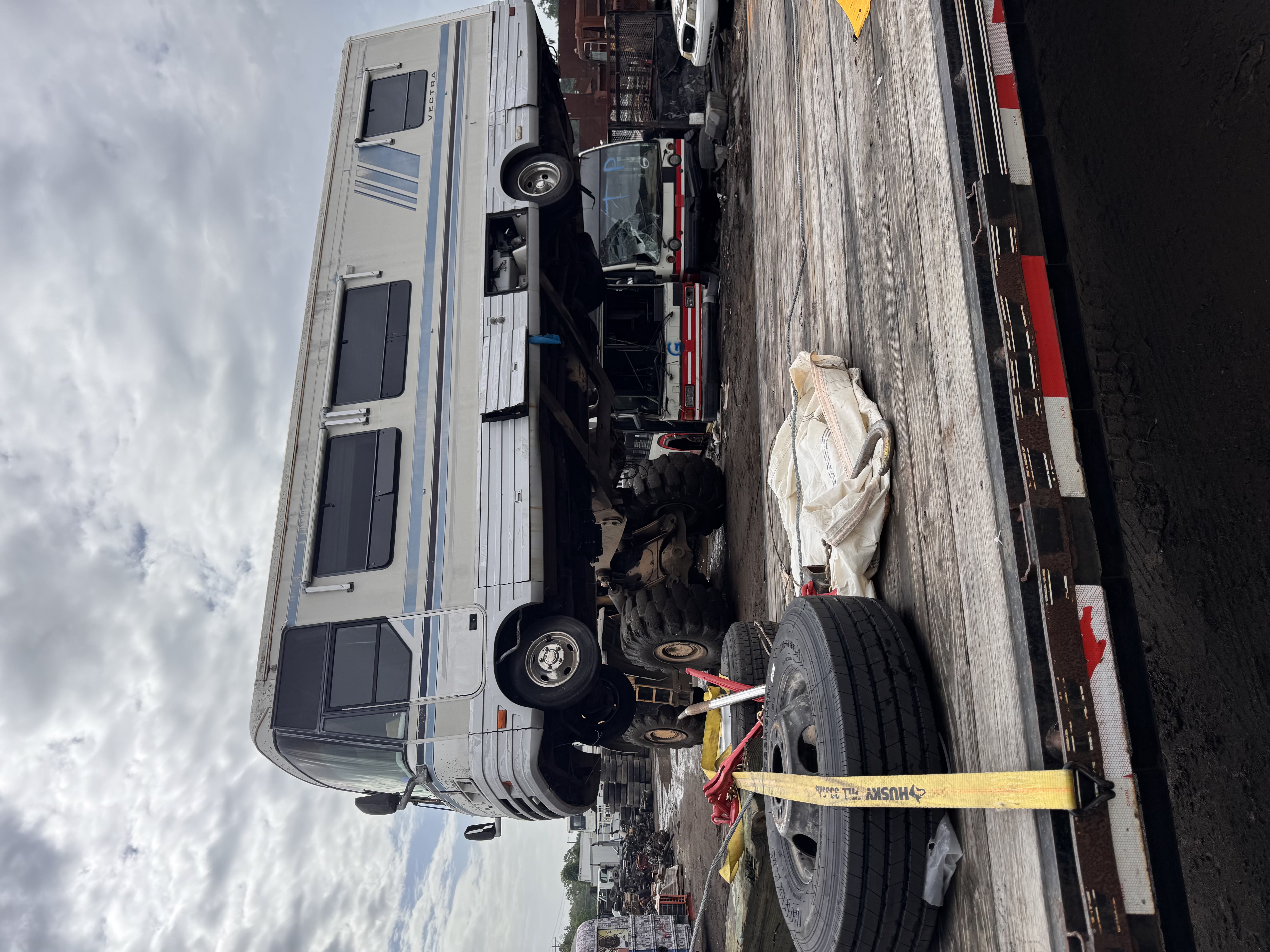
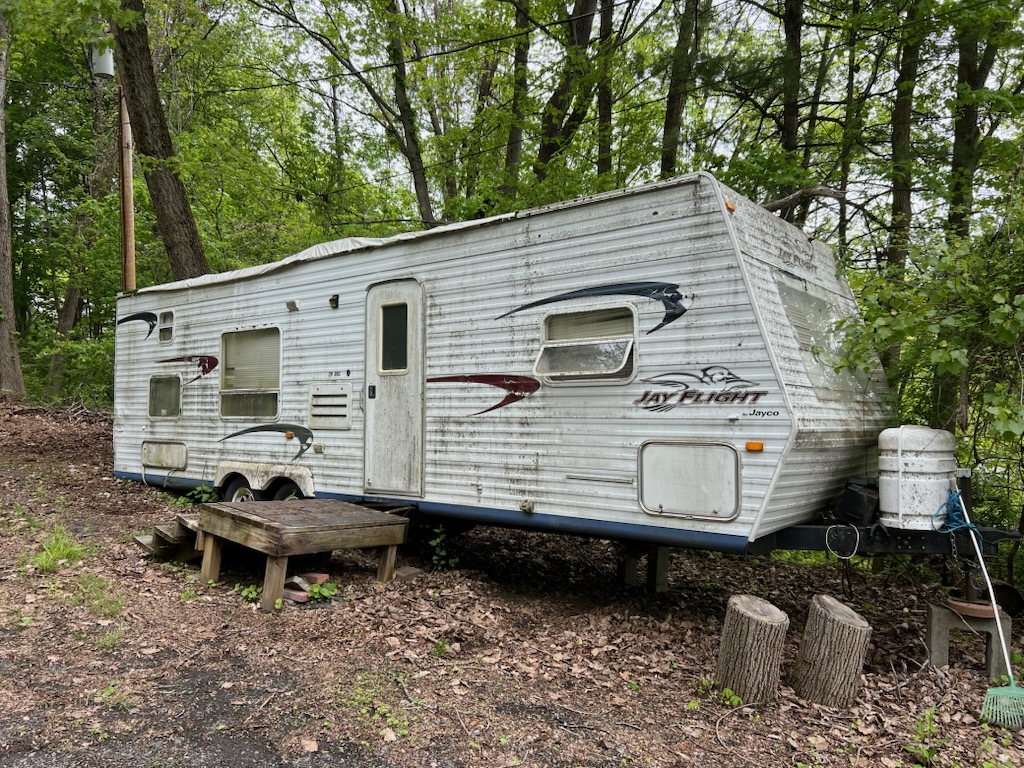
Butler's character as a rural community affects how motorhome removal works. The town's scattered farm properties and private acreage make up your neighborhood—open land where motorhomes are stored long-term but where site access varies widely. Unimproved roads, narrow driveways, and soft ground conditions mean towing isn't always straightforward.
We account for these site-specific challenges when planning the removal.
US Route 231 runs north-south through Butler, serving as the primary corridor for heavy equipment routing. Narrow shoulders and rural road limitations affect how we coordinate transport from your property to disposal facilities. We plan routes carefully to avoid local road damage and route-restriction issues.
Summer heat and occasional Alabama rain soften rural soil, which impacts whether heavy towing equipment can access your driveway or yard without sinking or leaving ruts. These seasonal factors shape the timing and method of removal. Weather can delay the work, so we build realistic schedules around ground conditions.
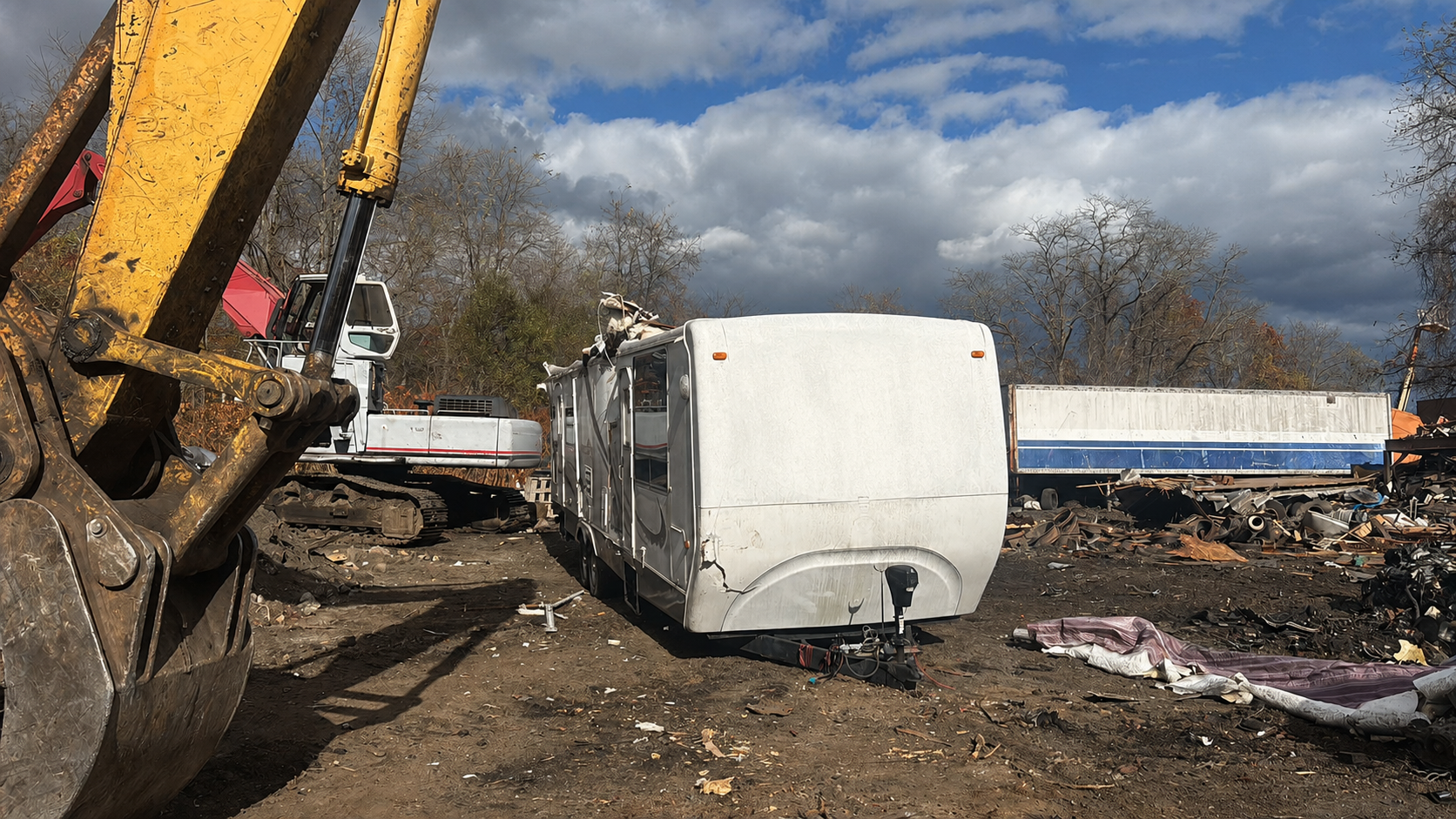
Alabama's disposal infrastructure concentrates licensed dismantlers and recycling processors in larger regional hubs, not locally. This means motorhomes must travel farther for proper disposal, affecting cost and timeline. We handle all transport logistics so you don't have to coordinate hauling to distant facilities.
We accept all major credit cards, Zelle, and other payment methods for motorhome removal and RV disposal bookings.
If dismantling is needed, permit requirements can vary by property, municipality, and scope. We review access, ownership status, and local requirements before work begins.
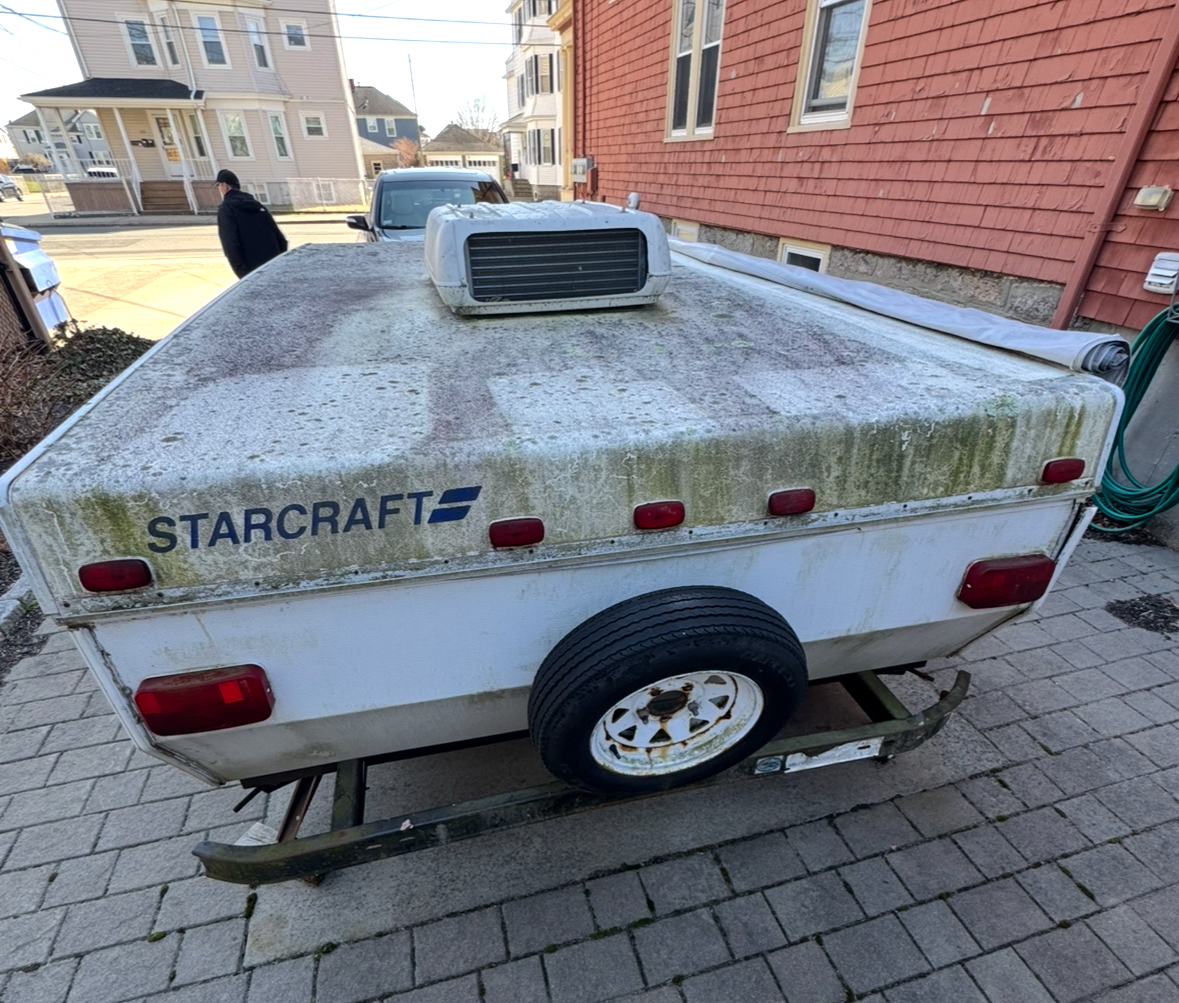
Our service is specifically designed for motorhomes, RVs, travel trailers, and similar large vehicles. We don't handle boats, car parts, general junk, furniture, appliances, or personal belongings left inside the vehicle. Clear ownership and vehicle condition must be documented for legal removal.