U.S. Motor Home Removal

Fast, Reliable, Professional

Motorhome Removal In Lone Tree, CO

Unwanted motorhomes, travel trailers, and fifth wheels blocking your driveway or storage lot in Lone Tree need proper removal and legal disposal. We handle the dismantling, hauling, and documentation so you're protected from liability.

Motorhome removal vehicle ready for RV disposal

Lone Tree, CO

Motorhome Removal For Lone Tree Homeowners And Storage Lot Operators

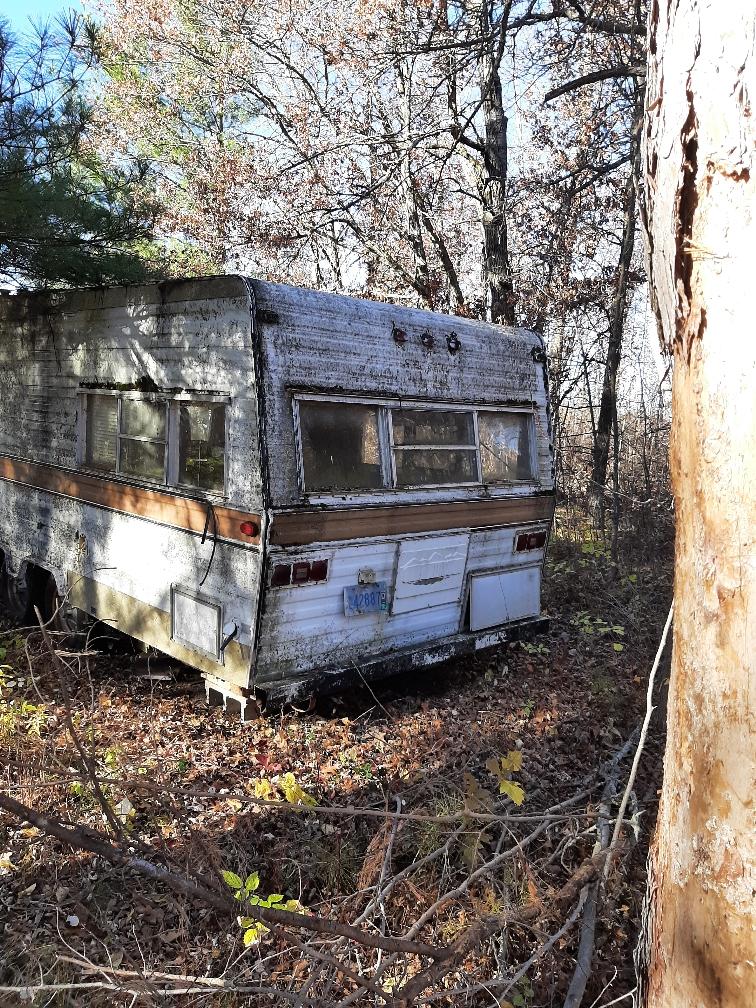
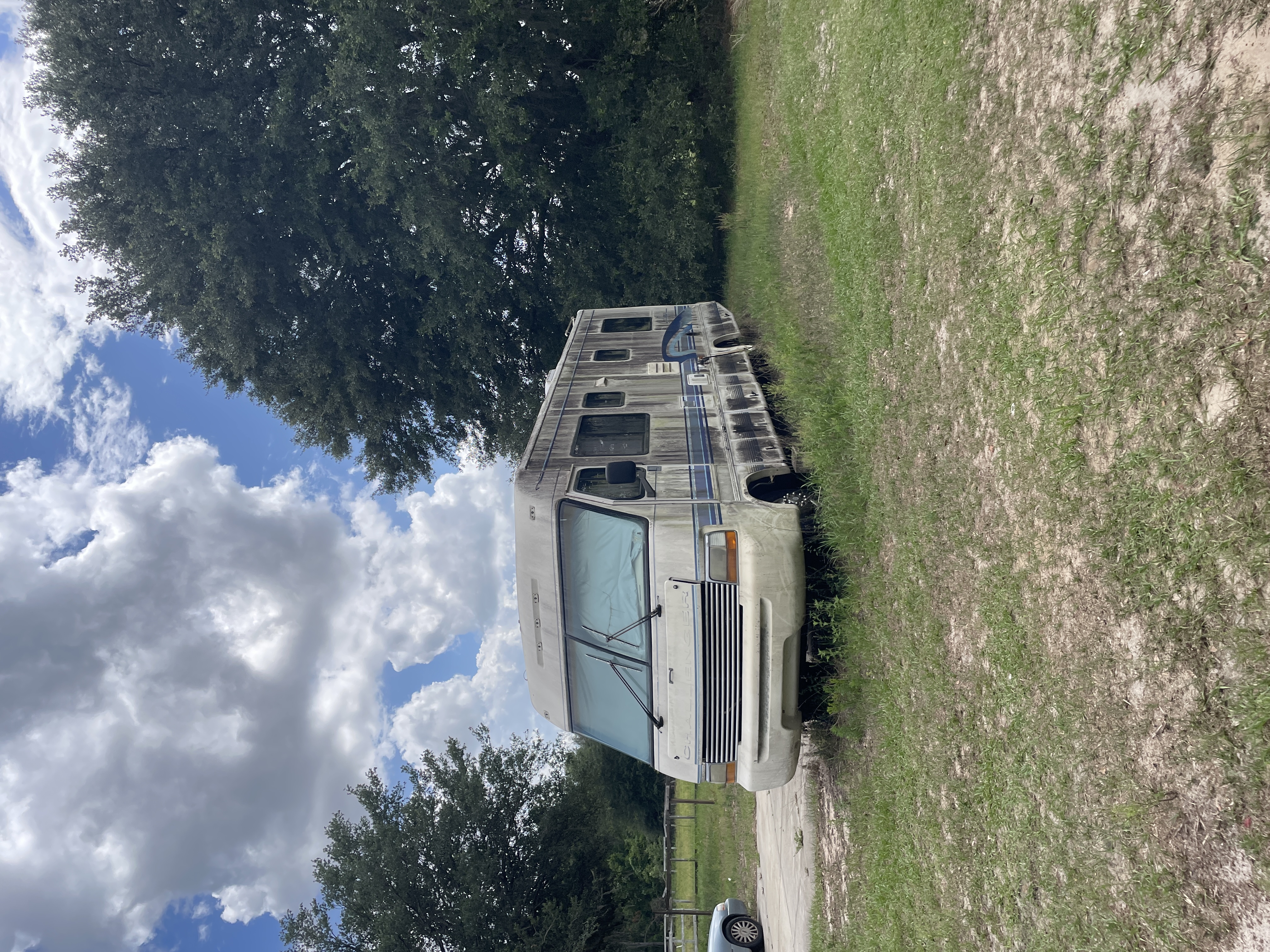
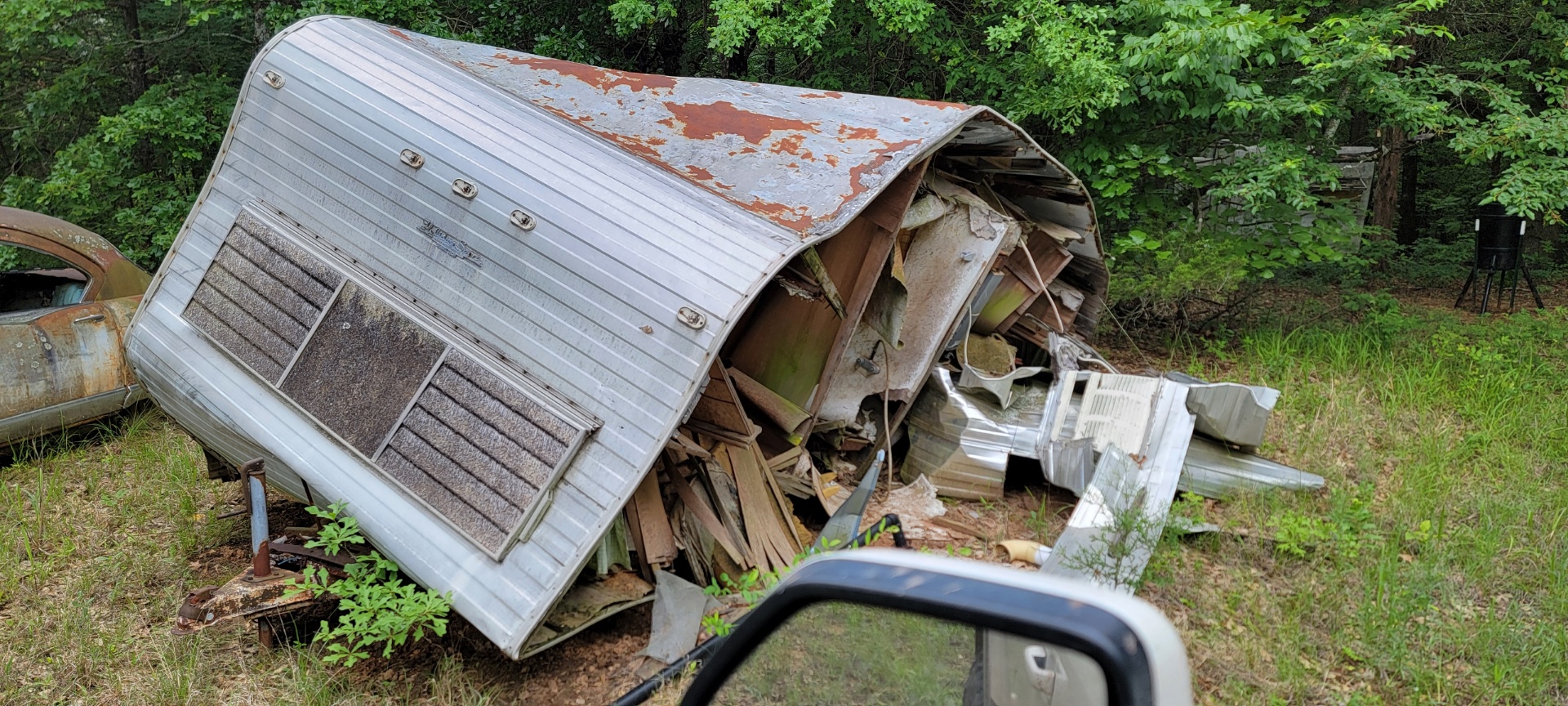
Lone Tree residents own unwanted motorhomes, travel trailers, and RVs stored on residential driveways, side yards, rural acreage, and private lots throughout the community. Whether your vehicle has title issues, won't run, or simply takes up space you need back, removal requires more than a tow truck. You need documented legal disposal and liability protection.

Our motorhome removal service handles the entire process—from site assessment and dismantling through authorized facility disposal—with a release of liability agreement that proves you followed proper procedures. We specialize in moving these large vehicles off Lone Tree properties safely and leaving you with documentation.

Lone Tree's mix of suburban neighborhoods, rural acreage, and transitional storage lots means motorhome removal requires flexible site assessment. Driveway access, ground stability, I-25 corridor routing, and local disposal facilities all shape how we approach your removal. Weather and seasonal conditions in the Denver metro area also affect scheduling and safe dismantling logistics.
The Company You Can Trust

Why Choose Our Motorhome Removal Service

Most removal companies focus on speed. We provide a signed liability agreement that documents our responsibility for dismantling, hauling, and disposal. You get written proof you followed proper procedures and transferred responsibility.

Book Online
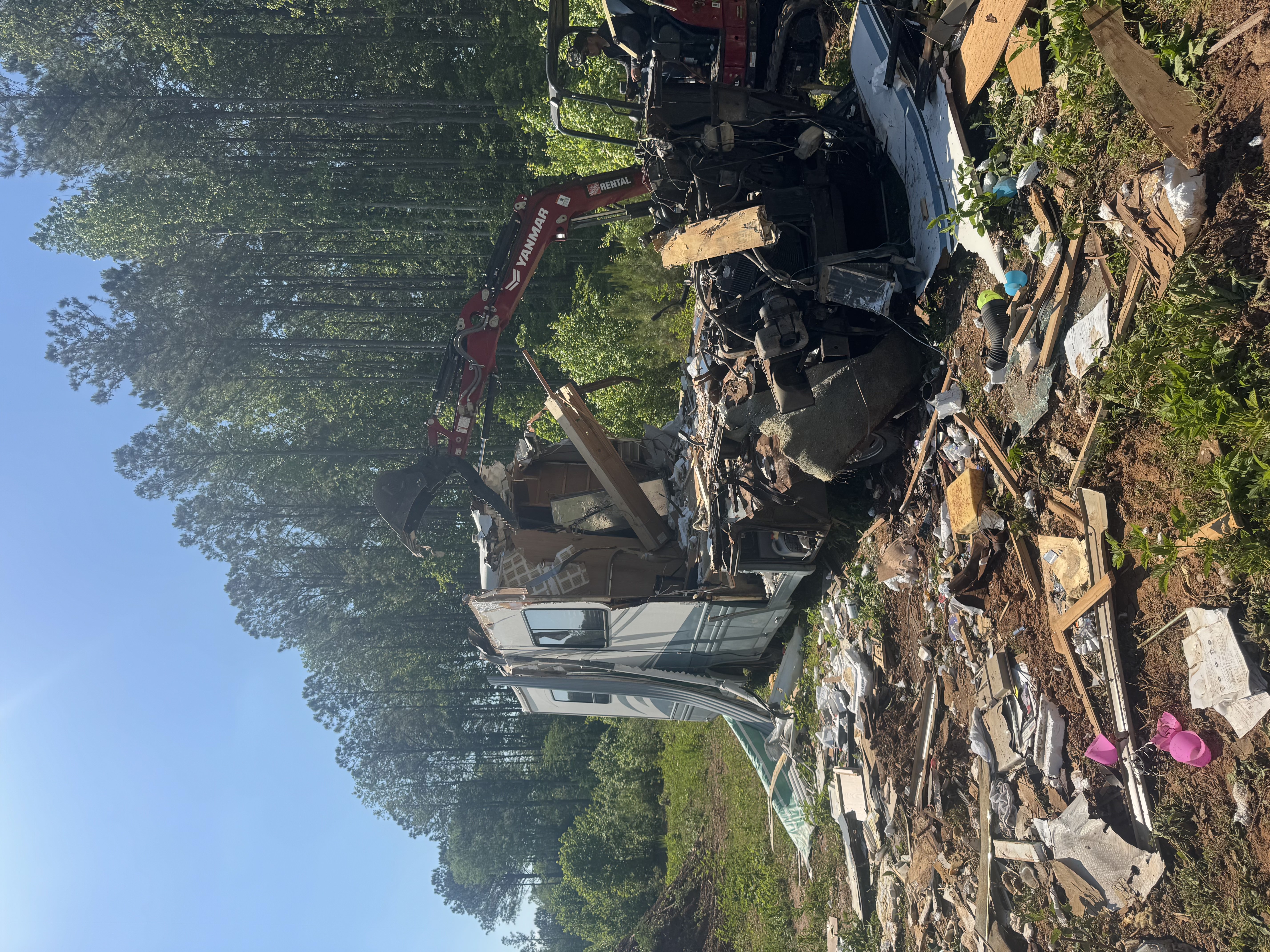
Professional motorhome removal process
How Professional Motorhome & RV Removal Works

Site Assessment And Access Planning We evaluate your property layout, driveway width, turnaround space, ground conditions, and any access constraints specific to Lone Tree properties. Narrow driveways, low-hanging power lines, soft or sloped ground, and County Line Road corridor access all affect the approach. We determine equipment needs and safe dismantling or towing routes before work begins.

Dismantling And Fluid Handling We remove internal debris, drain environmental fluids (freshwater, sewage, propane) according to Colorado regulations, and prepare the motorhome for safe transport. Dismantling work and on-site procedures may require municipal permits depending on your property location and scope; permit requirements vary by Douglas County zoning and local codes.

Professional Hauling And Transport Our crew tows the motorhome safely off your property using proper heavy-vehicle routing through Lone Tree and metro Denver routes to the disposal facility. We manage weight distribution, tire condition, and all transport logistics so your property and neighboring properties remain unharmed.

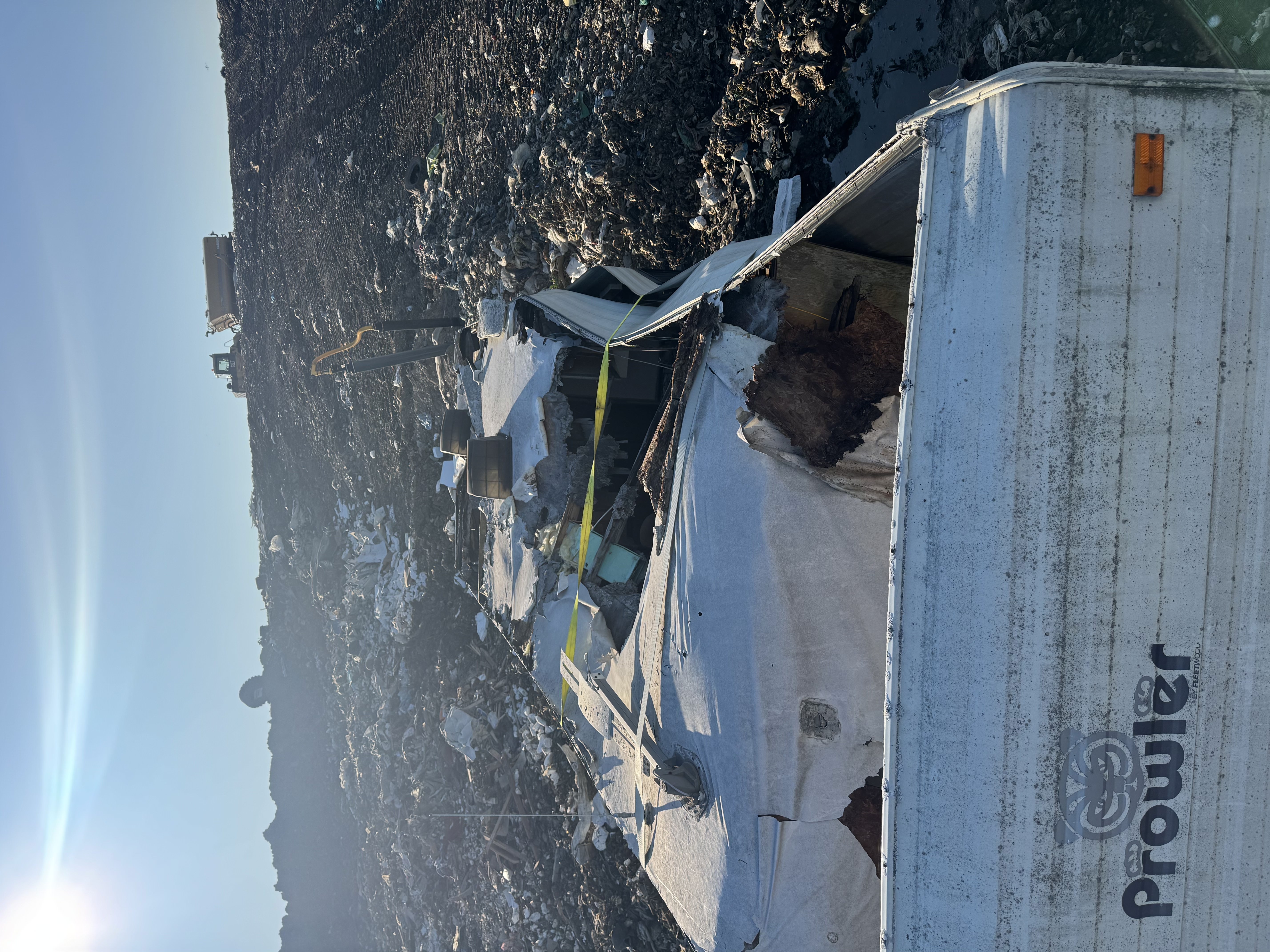
Licensed Facility Disposal And Documentation The motorhome is processed at an authorized disposal facility. You receive a release of liability agreement and documented proof of legal disposal. This paper trail confirms responsible handling and protects you from future liability related to the vehicle.

Motorhome and RV removal across the local service area
Motorhome & RV Removal Across Lone Tree & The Surrounding Area

Lone Tree's mix of suburban neighborhoods, rural acreage, and transitional storage lots means motorhome removal requires flexible site assessment. Driveway access, ground stability, I-25 corridor routing, and local disposal facilities all shape how we approach your removal. Weather and seasonal conditions in the Denver metro area also affect scheduling and safe dismantling logistics.
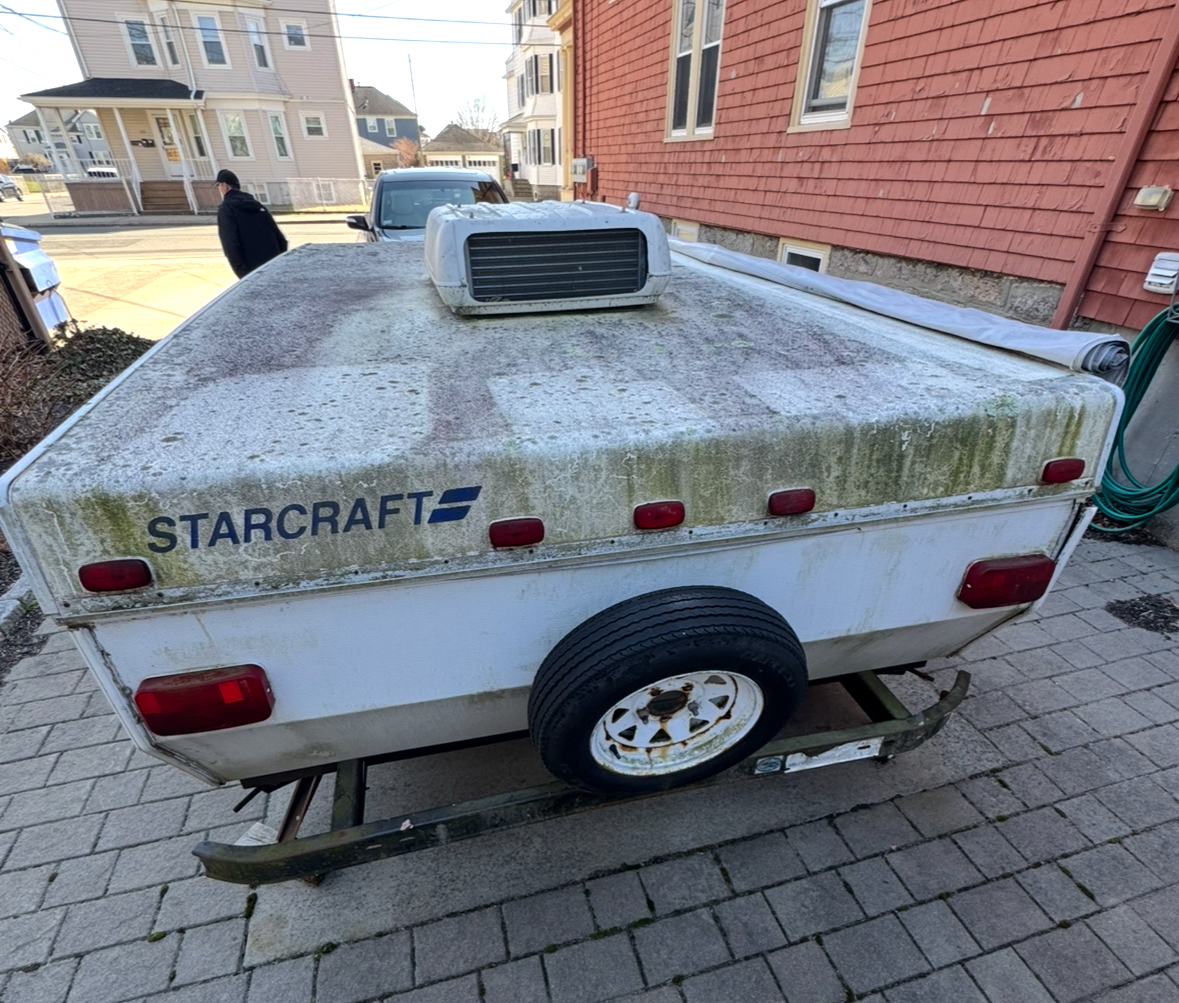
Lone Tree properties vary widely—newer suburban homes with restricted RV storage, rural acreage with larger storage yards, and transitional lots with minimal infrastructure. Our crew assesses access constraints specific to each property: driveway width, turnaround space, ground conditions, and proximity to utilities. County Line Road serves as a primary north-south corridor through Lone Tree and connects to I-25 and US-85. Heavy equipment routing through local roads and metro Denver access routes requires professional planning. We coordinate removal to minimize impact on your neighborhood while ensuring safe transport to disposal facilities. Colorado requires proper handling of motorhome fluids—freshwater, sewage, and propane tanks must be drained and disposed of according to state environmental standards. Dismantling work and on-site procedures may require municipal permits depending on your property's zoning and local code; requirements vary by Douglas County district. We confirm local requirements as part of our assessment. Nearby residential communities, RV parks, and storage facilities in Centennial, Castle Pines, and Parker face similar removal challenges. Lone Tree's seasonal weather, including snow and hail, affects outdoor storage conditions and removal timing. We work year-round while accounting for weather safety and property protection.

Service Area We handle motorhome removal and RV disposal across nearby neighborhoods, districts, storage lots, and residential properties.

Legal RV disposal process for unwanted motorhomes
Why Legal Process Matters More Than Speed

Documentation Fast removal is not enough if nobody documents where the motorhome or RV went. We prioritize a clear removal process and proper disposal records.

Permit Awareness If dismantling is needed, permit requirements can vary by property, municipality, and scope. We review access, ownership status, and local requirements before work begins.

Liability Protection A written release helps document responsibility for the removal and disposal process before work begins.

Ready To Remove Your Motorhome?

Ready To Remove Your Motorhome Or RV In Lone Tree?

Lone Tree properties vary widely—newer suburban homes with restricted RV storage, rural acreage with larger storage yards, and transitional lots with minimal infrastructure. Our crew assesses access constraints specific to each property: driveway width, turnaround space, ground conditions, and proximity to utilities.

County Line Road serves as a primary north-south corridor through Lone Tree and connects to I-25 and US-85. Heavy equipment routing through local roads and metro Denver access routes requires professional planning. We coordinate removal to minimize impact on your neighborhood while ensuring safe transport to disposal facilities.

Colorado requires proper handling of motorhome fluids—freshwater, sewage, and propane tanks must be drained and disposed of according to state environmental standards. Dismantling work and on-site procedures may require municipal permits depending on your property's zoning and local code; requirements vary by Douglas County district. We confirm local requirements as part of our assessment.

Nearby residential communities, RV parks, and storage facilities in Centennial, Castle Pines, and Parker face similar removal challenges. Lone Tree's seasonal weather, including snow and hail, affects outdoor storage conditions and removal timing. We work year-round while accounting for weather safety and property protection.

We accept all major credit cards, Zelle, and other payment methods for motorhome removal and RV disposal bookings.

If dismantling is needed, permit requirements can vary by property, municipality, and scope. We review access, ownership status, and local requirements before work begins.

We focus entirely on motorhome and RV removal. Items inside the vehicle or unrelated to the motorhome itself are outside our scope. Clear personal belongings before removal day.

Motorhome removal and RV disposal service area